Long-haul flights are often the necessary evil and bridge between everyday life and the places you actually want to be. Ten, twelve, or fifteen hours in a metal tube at 39,000 feet can leave you stiff, dehydrated, and half a day out of sync if you treat them as something to simply endure. With a bit of deliberate preparation, though, you can step off the plane feeling functional instead of a complete train wreck, ready to clear immigration, and start your adventure.
These tips come from years of long-haul travel in economy and the occasional upgrade. They focus on what actually moves the needle to make the flight more bearable.
1. Lock in the right seat early
Seat selection is the highest-leverage decision you make before boarding. Window seats give you a surface to lean and put a pillow against and most importantly control over the shade, if your priority is sleep. Aisle seats let you stand and walk without climbing over anyone, which matters more the longer the flight or if you have a weak bladder. Middle seats are rarely ideal for anything and should be avoided at all costs.
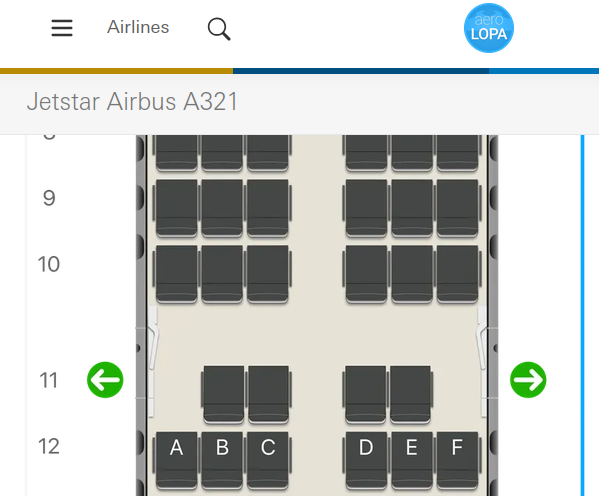
Check the aircraft type and seat maps on tools such as Aerolopa before you pick a seat. Good layout tools flag problem seats so you can avoid them. Skip seats next to the galleys (noisy, busy, lights stay on) and those close to the toilets (constant traffic, door noise, and smells). Exit-row seats give extra legroom but often have limited or no recline, fixed armrests, and stricter rules. Bulkhead seats can also offer more space but usually lack under-seat storage. The last row frequently cannot recline fully and sits near both toilets and the rear galley.
Prioritise a seat that matches your main goal (sleep, easy movement, or legroom) and use the detailed map to dodge the high-traffic or places where passengers may loiter. Checking the available seats at the 24-hour mark still gives you the best chance of a better option if one opens up.
2. Pack a focused comfort kit in your personal item
Everything you need for the flight should live in the bag that stays at your feet as opposed to continuously getting things out of the overhead locker.
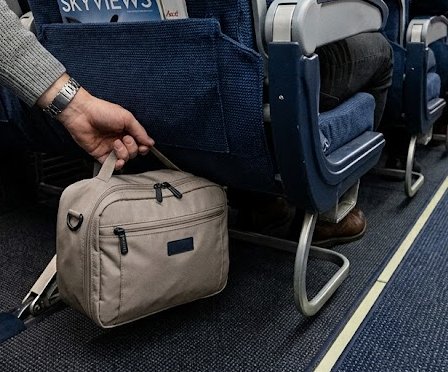
Essentials include a supportive neck pillow (the ones that cradle the front of your neck or strap to the headrest tend to perform better than the classic U-shaped versions), a proper eye mask that blocks light from the sides, noise-cancelling headphones or high-quality earplugs, compression socks, a light scarf or hoodie that doubles as a blanket or lumbar support, and basic skincare for dry cabin air: moisturizer, lip balm, and eye drops or saline spray.
Add a toothbrush, a change of socks or underwear, and a couple of non-messy snacks. Keep valuables, medications, and a power bank in this bag as well. Recent airline rules around portable chargers have tightened. Most still allow them in carry-on only (never checked), with clear watt-hour limits, and several carriers now restrict or ban in-flight use. Knowing the current rules for your airline before getting to the airport is a very good idea!
3. Dress in layers and choose slip-on shoes
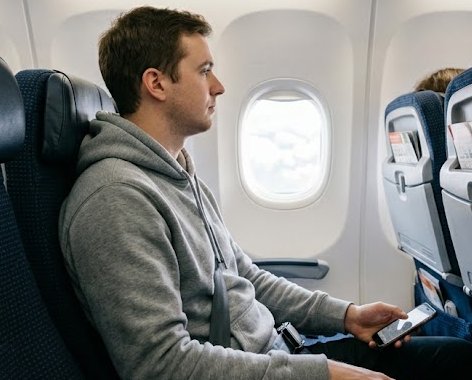
Cabin temperatures can be unpredictable. Wear loose, breathable layers you can add or remove easily. Think a T-shirt, light sweater or hoodie, that compresses into almost nothing. Avoid restrictive clothing, especially around the waist and legs.
Slip-on shoes make getting through security and getting comfortable easier. Once onboard, many people swap into thick socks or soft slippers for comfort while walking the aisle. Compression socks can reduce swelling for most travelers on flights longer than six or seven hours. Put them on before you board.
4. Hydrate deliberately and keep food simple
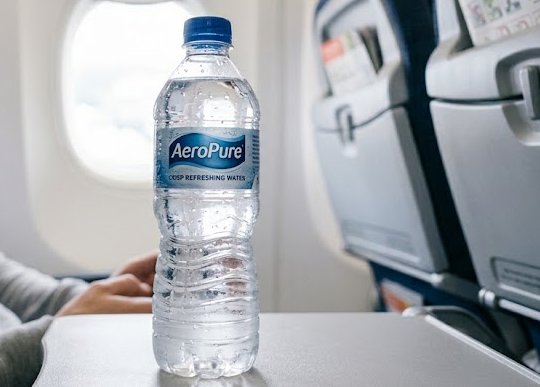
The air in an aircraft cabin is extremely dry. Aim to drink more water than feels natural, roughly a small glass every hour or so. A reusable bottle you can ask the crew to refill is far more practical than relying on the tiny paper cups they hand out. Electrolyte tablets like Berocca is also a good idea and can hydrate more than plain water alone.
Limiting alcohol and heavy caffeine is a big deal. Both dehydrate and interfere with the sleep you may need later. Bring your own snacks that travel well, such as nuts, fruit, or protein bars, so you are not dependent on meal timing or the limited options in the galley. If you are fighting jet lag, try aligning your eating schedule roughly with the destination’s meal times once you are onboard.
5. Move every 60 to 90 minutes
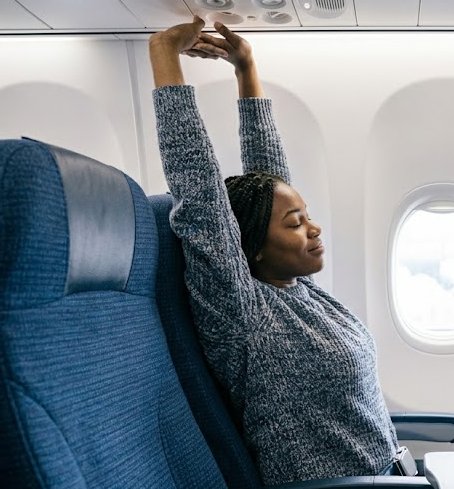
Sitting still for long stretches is one of the biggest sources of discomfort and the main reason legs swell. Set a mental timer and get up regularly when the seatbelt sign is off. Walk to the galley or lavatory, roll your ankles, flex your calves, and do a few gentle stretches in the aisle if space allows.
Even small movements in your seat, like ankle circles, heel raises, shoulder rolls and streaching up to touch the roof all help circulation. Combining this habit with compression socks is one of the simplest and most effective ways to finish a long flight feeling less stiff.
6. Build a sleep and entertainment bubble

Download a mix of movies, tv series, podcasts, playlists, and books before you leave for the airport.
Ensure the media is downloaded locally to the device so it works offline.
Many airline’s have started offering inflight entertainment via an app on your own device instead of a seatback screen, check to see if this is a case and download the app prior to boarding.
Noise-cancelling headphones paired with a sleep playlist or white noise make a noticeable difference if you are trying to get some shut-eye. An eye mask and the ability to control your immediate environment (window shade down, hoodie up) create the closest thing to darkness and quiet you are going to get in economy. If you use melatonin or similar aids, test them at home first and follow the timing that works for your body rather than guessing mid-flight.
7. Protect your skin and sinuses from the dry air
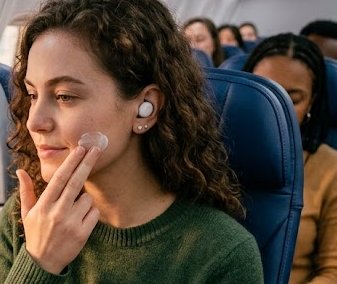
Cabin humidity often sits well below what most people experience on the ground, especially on older aircrafts. Apply moisturizer and lip balm early and reapply as needed. A saline nasal spray or hydrating eye drops can prevent the dry, irritated feeling that builds after several hours.
A quick face wipe and toothbrush near the end of the flight or once you’ve disembarked can leave you feeling far more human once you’ve arrived at the destination.
8. Start shifting toward destination time

As soon as you board, set your watch or phone to the local time at your destination. This small mental cue helps your body begin adjusting. Sleep when it would be night at the other end, and stay awake (or at least rest quietly) when it would be day.
On arrival, prioritize natural light and gentle activity rather than going straight to sleep unless it is genuinely nighttime. The first day is about getting on local time and recovering from the flight, not maximizing every tourist hour.
9. Stay powered & get technology out of the way
Fully charge your devices at the airport before boarding. Bring a compliant power bank in your personal item and know whether your seats have USB or power outlets.
Pre-download anything critical, including maps, boarding passes, offline entertainment, and translation apps, so you are not dependent on spotty or expensive onboard Wi-Fi. Keep cables short and organized so you are not hunting through bags in the dark.
10. Expect minor friction and pack a calm backup plan
Even well-planned long-haul journeys include delays, tight connections, or the occasional lost bag. Keep essential medications, a change of clothes, and important documents in your carry-on. Know the basics of your passenger rights and have your travel insurance details accessible.
A calm, practical response and being flexible if required almost always produces better outcomes than frustration. Building a small time buffer into your overall itinerary gives you room when something inevitably shifts.
Long-haul flights will never feel like a spa day in economy, but they do not have to drain you either. Choose your seat with intention, pack the few things that actually improve comfort, move and hydrate on a schedule, and treat the flight as the transition it is rather than an ordeal to survive.
Do you have any tips for long haul travel? Let us know in the comments below